


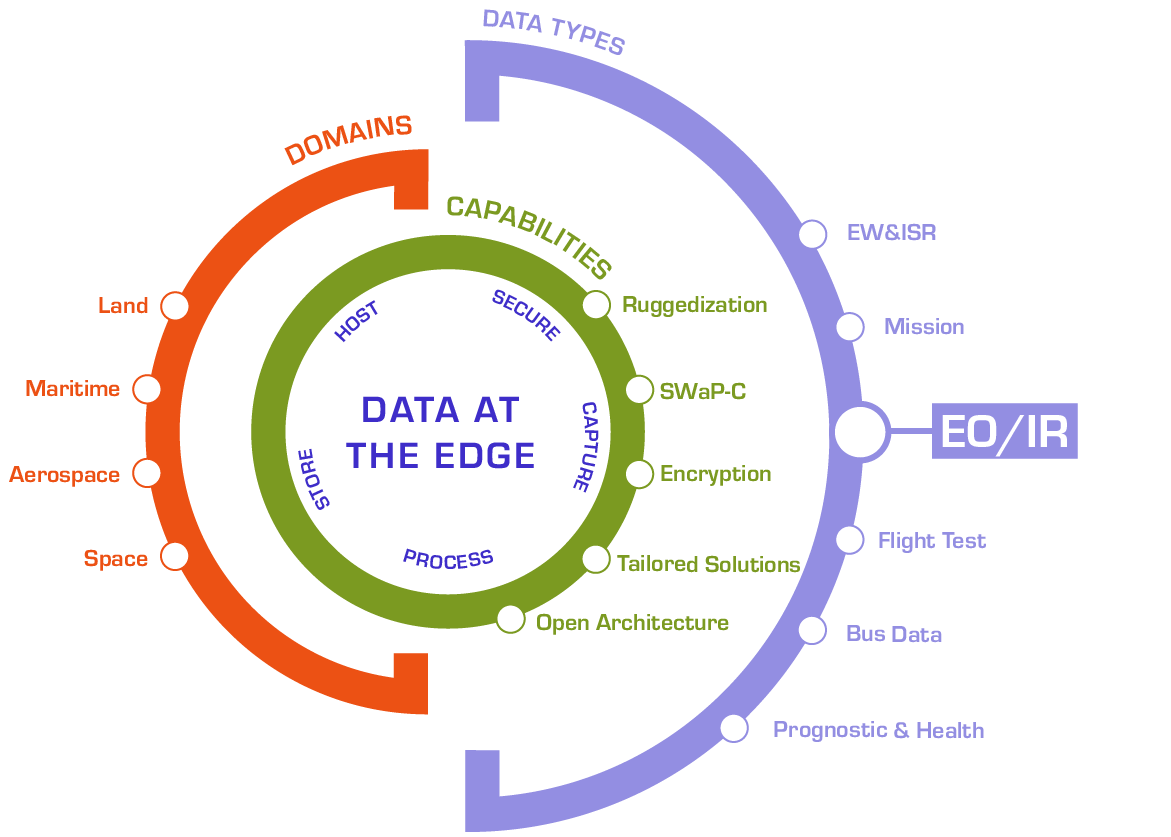
EO/IR Mission Data Recording
EO/IR collection is only as good as the recording chain behind it. When frames drop, KLV metadata loses sync, or storage cannot keep pace with the sensor, the exploitation product degrades before the analyst ever opens the file. Ampex builds rugged EO/IR data recorders for ISR aircraft, UAVs, pods, ground systems, and maritime platforms that need to capture, secure, and manage high-fidelity imagery at the tactical edge.
These systems support full-motion video, EO/IR streams, KLV-linked metadata, and related mission data, including telemetry, RF activity, bus traffic, and platform state, within a single architecture with accurate timing and secure storage.
What Mission-Ready EO/IR Recording Requires
EO/IR missions demand more than a recorder that can simply store video. The complete recording architecture must preserve imagery and metadata, withstand the platform environment, scale with growing data rates, and protect the mission record from capture through exploitation.
Ampex brings these requirements together in rugged, open systems built for airborne, ground, maritime, and fixed-site EO/IR operations.

Built for high-fidelity imagery
Modern EO/IR payloads produce more than a video stream. They produce an imagery product with embedded metadata, sensor pointing data, geospatial references, and time markers that must remain correlated throughout collection, offload, and exploitation. Ampex recorders handle that full bundle, capturing video and metadata together so the imagery stays usable for review, AI/ML processing, and post-mission analysis.
MISB-aligned KLV metadata handling
EO/IR imagery without metadata is just video. Ampex recorders are designed to preserve KLV metadata in alignment with MISB-driven workflows, keeping the time, geolocation, and sensor context locked to the imagery throughout recording, transfer, and exploitation. That preserves the chain of evidence the analyst depends on.
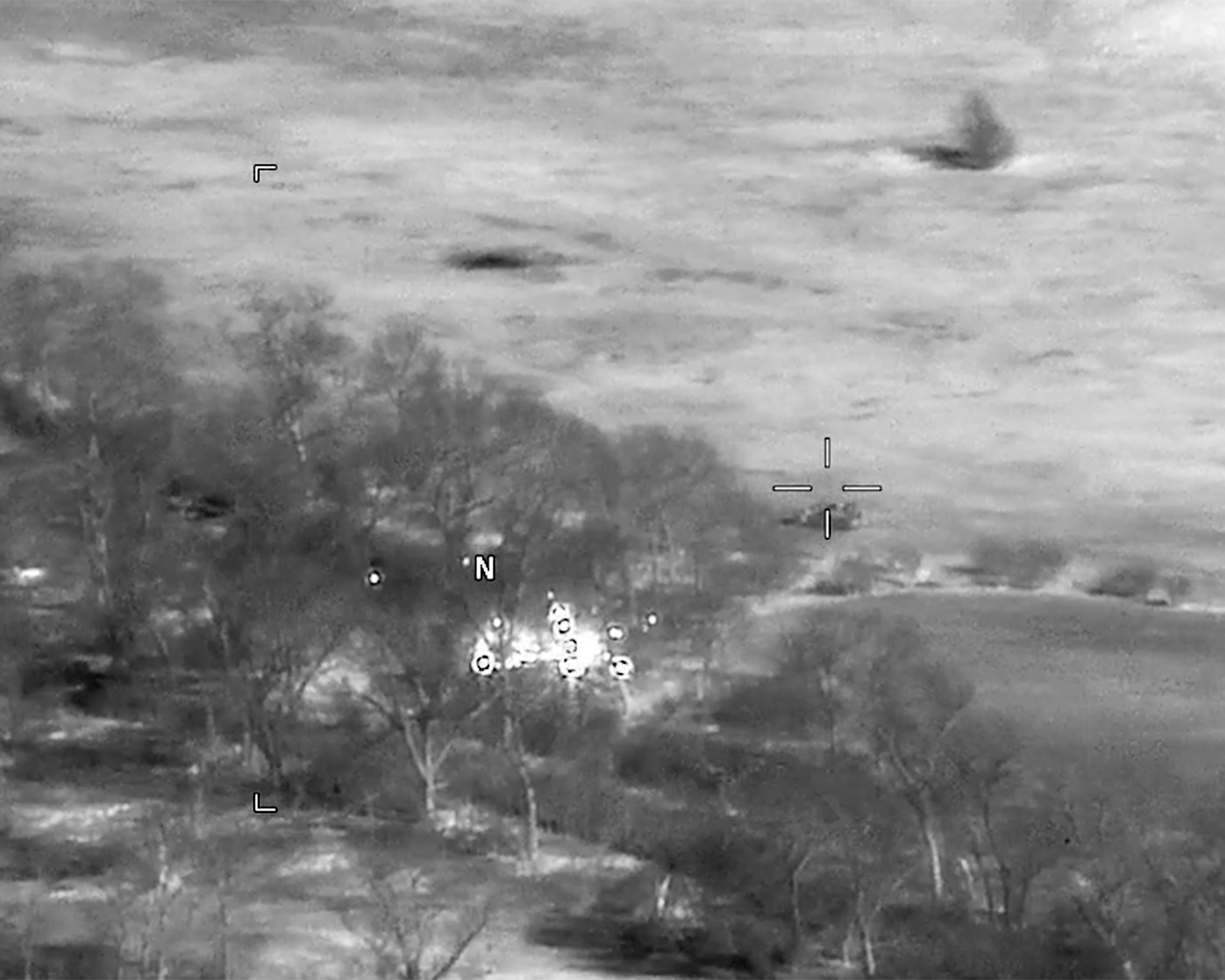
True uncompressed video for maximum fidelity
Some EO/IR missions cannot tolerate compression artifacts. Ampex supports true uncompressed video recording that captures raw frames bit-for-bit while preserving KLV metadata, providing the highest-fidelity dataset for imagery exploitation, signature analysis, and AI/ML training pipelines where every pixel matters.
Compressed video workflows are also supported when the program needs to manage downlink bandwidth, multi-channel storage budgets, or extended-duration recording while retaining the critical mission scenes onboard for later analysis.
Scaling from edge to rack
EO/IR collection looks different on a small UAV than it does on a wideband multi-sensor pod or a fixed-site collection node. The Ampex portfolio scales from compact edge systems to rack-mount architectures, such as the TRS-X, supporting high-channel-count video ingest, multi-terabyte removable storage, and sustained throughput appropriate to the platform and mission duration.

SWaP-C platforms for pods, UAVs, and constrained integrations
Small ISR platforms impose hard limits on size, weight, power, and thermal margin. Ampex offers compact, SWaP-C-optimized recorders built specifically for pods, UAVs, and other constrained integrations, including the TuffLITE recorder, a 2.5-pound rugged recorder featuring NVMe storage, 10GbE, 1GbE, 2.5GbE, video, and RS-422 interfaces. That gives designers a path to secure EO/IR ingest, recording, pass-through, and playback on platforms where a larger recorder would not survive integration review.
Secure imagery handling
EO/IR imagery is mission-sensitive in storage, in transit, and during post-mission offload. Ampex supports AES-256, FIPS-140, CSfC, Turnstile, and configuration-based High Assurance (Type-1) encryption options across its rugged recording portfolio, with secure removable-media handling through SmartDock, a protected bridge for download, key handling, and post-mission transfer of encrypted media without removing the full recording system from the platform.
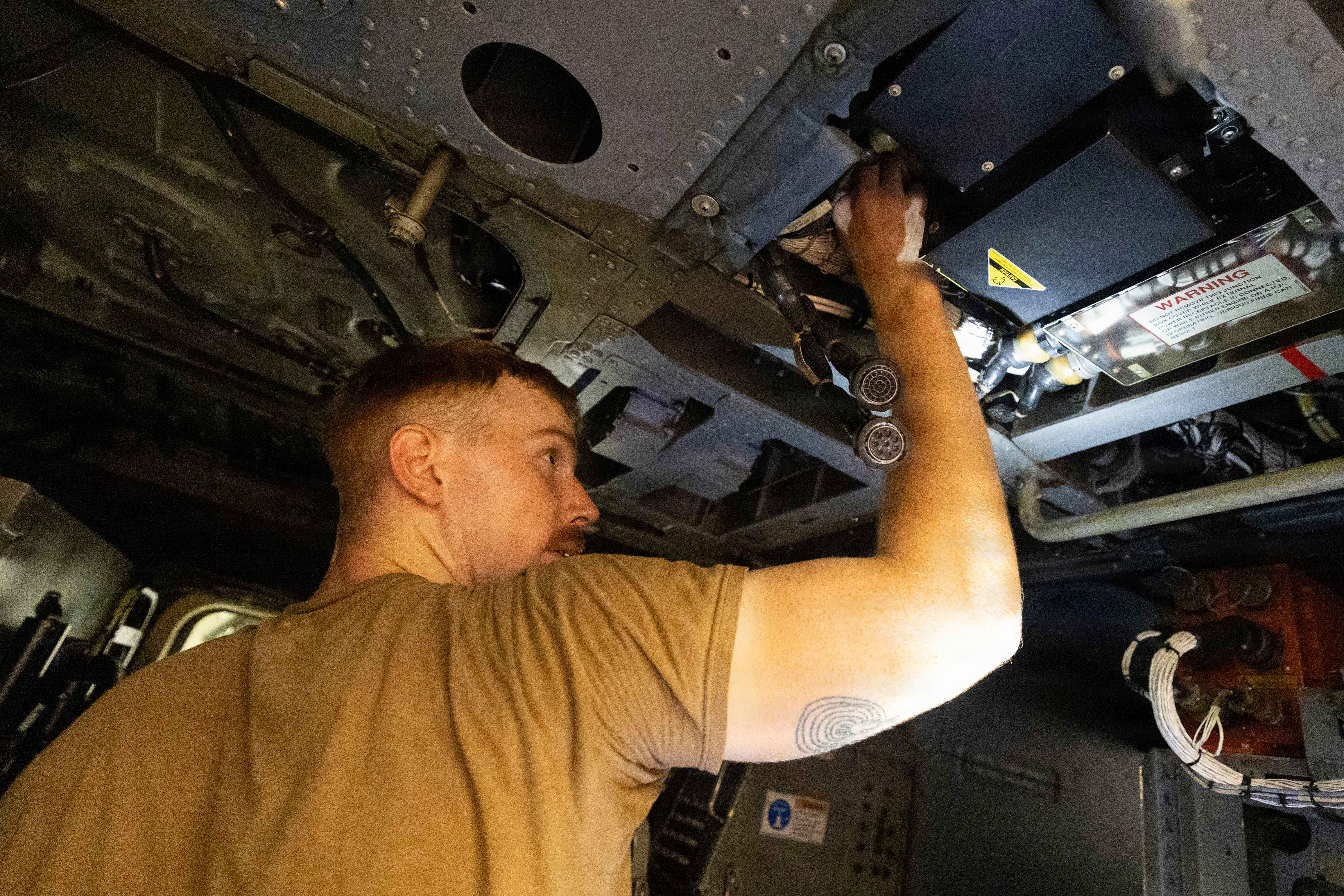
Open architecture and edge compute
Programs increasingly expect the recorder to do more than store video. Ampex Common Compute Environment (ACCE) provides software-defined recording, accurate timestamping, synchronization with external time sources such as GPS, IRIG, and IEEE 1588, file indexing, third-party software integration, and zero-data-loss capabilities for mission-critical capture. That lets the recorder sit closer to the EO/IR sensor as part of the edge compute fabric, supporting acquisition, storage, indexing, and mission applications in the same ruggedized environment, including edge AI/ML pipelines that work directly on the imagery.
EO/IR Key Capabilities
- Captures EO/IR video, FMV, KLV metadata, and correlated mission data in one rugged architecture.
- Supports true uncompressed video recording with metadata preservation for high-fidelity exploitation.
- Supports MISB-aligned KLV metadata workflows for ISR imagery interoperability.
- Scales from SWaP-C platforms like TuffLITE for pods and UAVs to rack-mount, multi-channel architectures.
- Supports AES-256, FIPS-140, CSfC, Turnstile, and configuration-based High Assurance (Type-1) encryption options.
- Supports secure removable media offload and protected post-mission transfer via SmartDock.
- Software-defined recording, timing synchronization, file indexing, and zero-data-loss functions through ACCE.
- Linux-based open architecture for third-party software integration and edge AI/ML on the imagery.
Use Cases
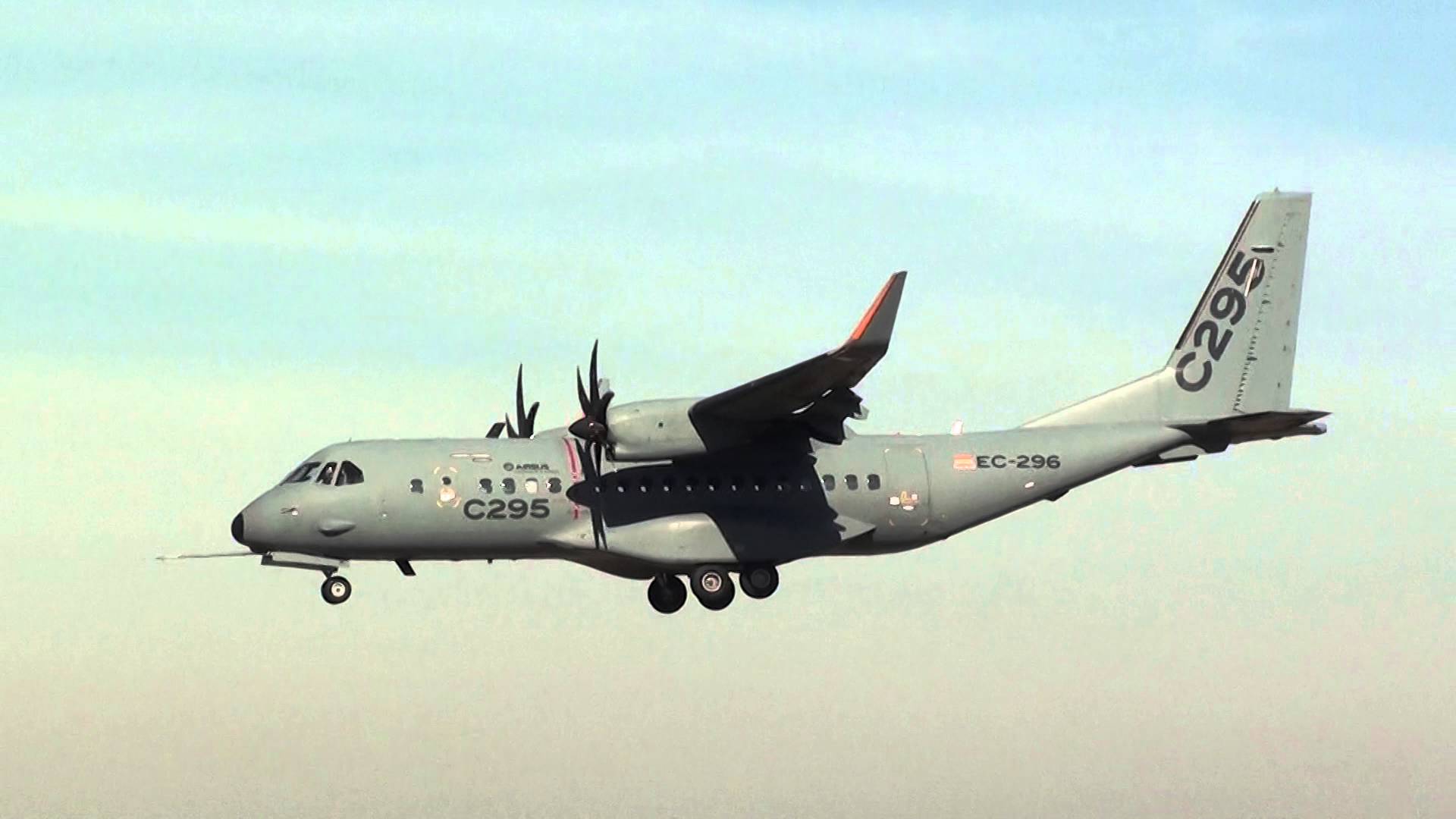
Manned and unmanned ISR aircraft
Capture EO/IR video, FMV, and KLV metadata onboard with synchronized timing across sensors. Preserve the full imagery record for downlink, post-mission exploitation, and analyst review.
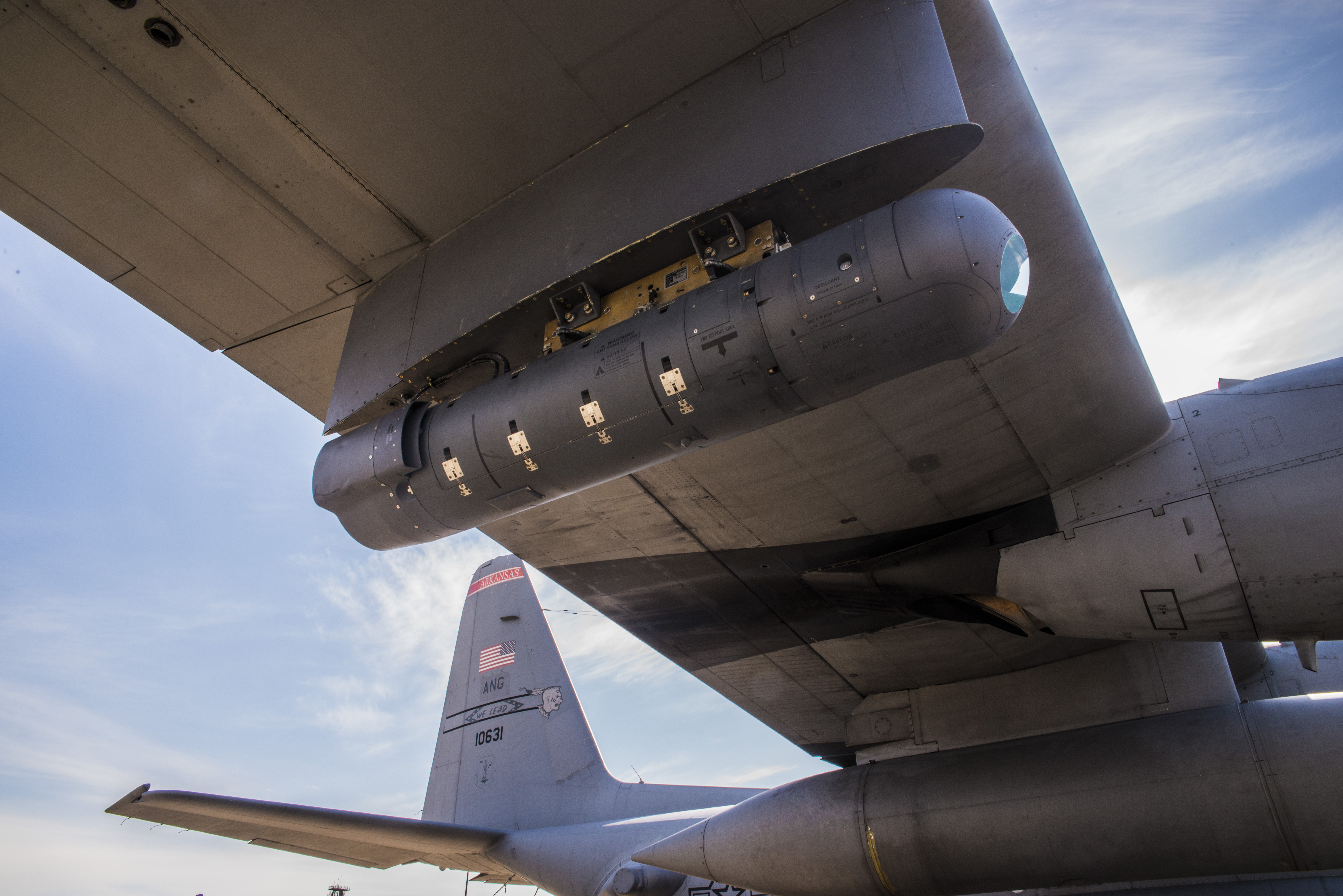
ISR pods and UAV payloads
SWaP-C-constrained platforms get rugged recording with compact form factors like TuffLITE, supporting secure ingest, recording, pass-through, and playback without the integration overhead of a larger system.

Ground and maritime ISR collection
Long-duration EO/IR collection from fixed sites, vehicles, and ships, with rugged packaging for shock, vibration, salt-air, and extended-duration operation.
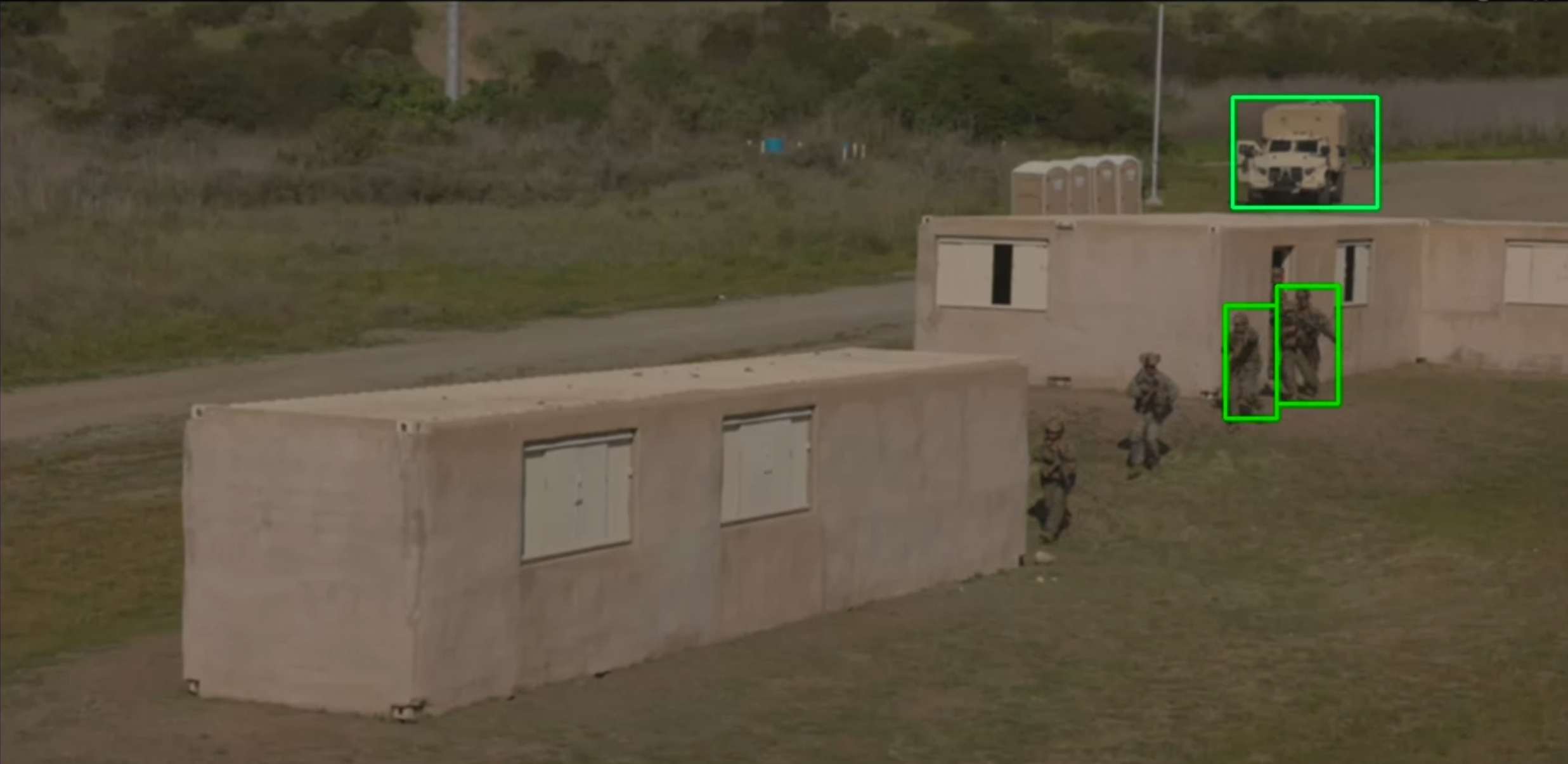
AI/ML and exploitation pipelines
True uncompressed recording feeds the highest-fidelity dataset into automated detection, classification, and tracking pipelines, while ACCE supports running third-party processing software at the edge.

Encrypted EO/IR workflows
Programs handling classified imagery get encrypted at-rest storage, secure removable media, and protected offload paths through SmartDock, maintaining the chain of custody from sensor to analyst.
From Capture to Secure Exploitation

Common Architecture
Ampex uses ACCE as a common software-defined environment for data capture, timing, indexing, transfer, removable media management, and device control. That matters because the data problem varies by platform, but the operating model should remain coherent for the user.
ACCE supports software-defined recording, synchronization with external time sources such as GPS, IRIG, and IEEE 1588, file indexing, third-party software integration, and zero-data-loss functionality. That lets the system adapt to changing interfaces and workflows without turning every new requirement into a clean-sheet redesign.
Secure Data Workflow
Mission data remains sensitive even after the recording ends. Secure handling has to continue through removal, transfer, decryption, and analysis.
Ampex supports encrypted workflows with AES-256, FIPS, CSfC, and configuration-based Type 1 options, along with secure removable-media handling and protected post-mission transfer. SmartDock extends that workflow by supporting controlled download and key-handling functions for compatible encrypted media.
Why EO/IR Data Integrity Matters
EO/IR data only creates value when the complete mission record arrives intact. Dropped frames, broken metadata associations, timing drift, or insecure offload can leave analysts working with incomplete context and delay exploitation.
Ampex protects that record from sensor ingest through post-mission transfer. High-throughput capture, precise timing, scalable storage, open software, and layered encryption keep imagery synchronized, secure, and ready for analysis as sensors, data rates, and mission requirements evolve.
EO/IR data recorder FAQs
What is an EO/IR data recorder?
Why does uncompressed video matter for EO/IR?
How do Ampex recorders handle KLV metadata?
Can Ampex EO/IR recorders fit on small UAVs and pods?
How is EO/IR data protected during offload?
What sensors do Ampex EO/IR recorders support?
Can Ampex recorders capture EO/IR data on missile and weapon system test programs?
Build the Right EO/IR Recording Architecture
Talk to Ampex about your sensor formats, channel count, data rates, metadata, storage, SWaP-C limits, and security requirements. We’ll help match the recording and offload workflow to your mission.