



Data Recording Solutions for Flight Test Instrumentation
Flight test data is the technical record of how an aircraft, spacecraft, weapon system, or test article performs during operation. It can include high-rate instrumentation, telemetry, avionics, bus traffic, video, timing, and system health data, all moving at once and all needed to reconstruct what happened during each test point.
Because flight test data is generated in harsh, space-constrained environments, the recorder has to keep pace without adding complexity to the instrumentation chain. Missed packets, timing gaps, storage limits, or integration issues can delay analysis, weaken the test record, and force teams to repeat expensive test events.
Ampex flight test recording systems help teams capture, process, store, host, and secure mission-critical test data from the edge, preserving a complete record from flight through post-mission review.
Built for the Flight Test Environment
In flight test, the recorder is part of the test architecture, not an afterthought. It has to work in the aircraft, stay out of the way of the mission, and preserve the data record in a form teams can trust after the event.
The requirements below are the practical pieces that make that possible across demanding airborne test programs.

High Data Rate Capture
Flight test recorders must keep pace with dense, fast-moving data without dropped packets, missed events, or gaps in the test record.
Accurate Time Alignment
The value of flight test data depends on knowing exactly when events happened. Precise synchronization helps teams correlate data across channels, sources, and systems during review and analysis.

Standards-Based Recording
Flight test workflows rely on proven telemetry and instrumentation standards. Support for IRIG 106 Chapter 10, Chapter 24, and Chapter 26 helps recorded data move cleanly into existing analysis environments.
Secure Removable Storage
Test data often includes sensitive platform, performance, and mission information. Secure removable media helps protect the record in flight, during transport, and through post-mission offload.
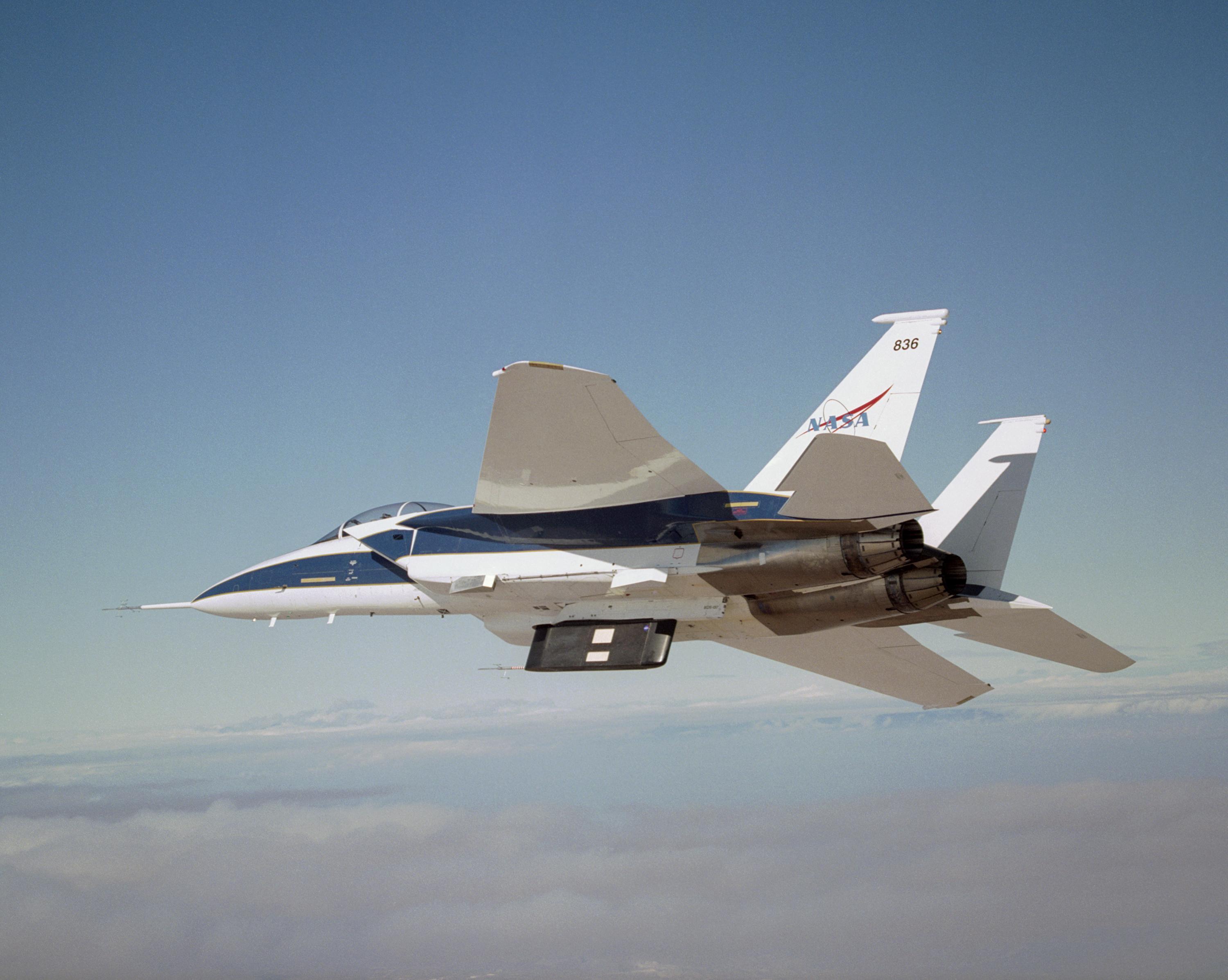
Built for Airborne Constraints
Aircraft test environments leave little room for excess size, weight, power, or complexity. Flight test recorders must deliver reliable performance while operating through vibration, altitude, temperature, and other airborne conditions.
Flexible, Modular I/O
Every program collects data differently. Modular I/O and configurable interfaces help teams adapt to changing channels, data sources, and workflow requirements without rebuilding the recording architecture.
From Flight Data to Test Evidence
Capturing flight test data is only the first step. After the mission, teams need a trusted record they can review, correlate, analyze, and preserve across the program. The recording architecture has to protect the data’s timing, structure, and integrity so engineers can understand what happened during each test point and use that record with confidence.
ACCE, the Ampex Common Compute Environment, helps turn recorded data into a managed workflow by supporting software-defined recording, timestamping, file indexing, device management, and third-party software integration.

Featured Flight Test Solution: miniRv2
For programs that need a compact, flight-ready recorder, the miniRv2 brings high-rate data capture, modular I/O, removable storage, and standards-based recording into a small airborne package. It is designed for flight test teams that need reliable recording performance without adding unnecessary size, weight, or integration complexity.
The miniRv2 supports IRIG 106 Chapter 10, Chapter 24, and Chapter 26 file formats, and can output Chapter 10/11 data as a Chapter 7 serial PCM stream. With sustained data rates up to 1,000 Mb/sec, removable storage up to 2 TB, ACCE support, backward compatibility, and flexible modular interfaces, it gives programs a practical path to modernize recording capability while preserving the workflows they already depend on.
Why Ampex for Flight Test
Flight test programs need more than a recorder that meets a spec. They need a recording partner with proven experience in airborne environments, telemetry workflows, secure data handling, and long-life program support.
Ampex flight test recorders are designed and built in the USA and backed by ISO 9001:2015 and AS9100D certification.
For flight test teams, that means:

Flight Test Recording Experience
Decades of recorder development for demanding airborne, range, and mission data environments.

Built and Supported in the USA
U.S.-designed and built systems with engineering support for long-life aerospace and defense programs.

Secure Data Handling
Recording architectures designed to help protect sensitive test data from capture through offload.
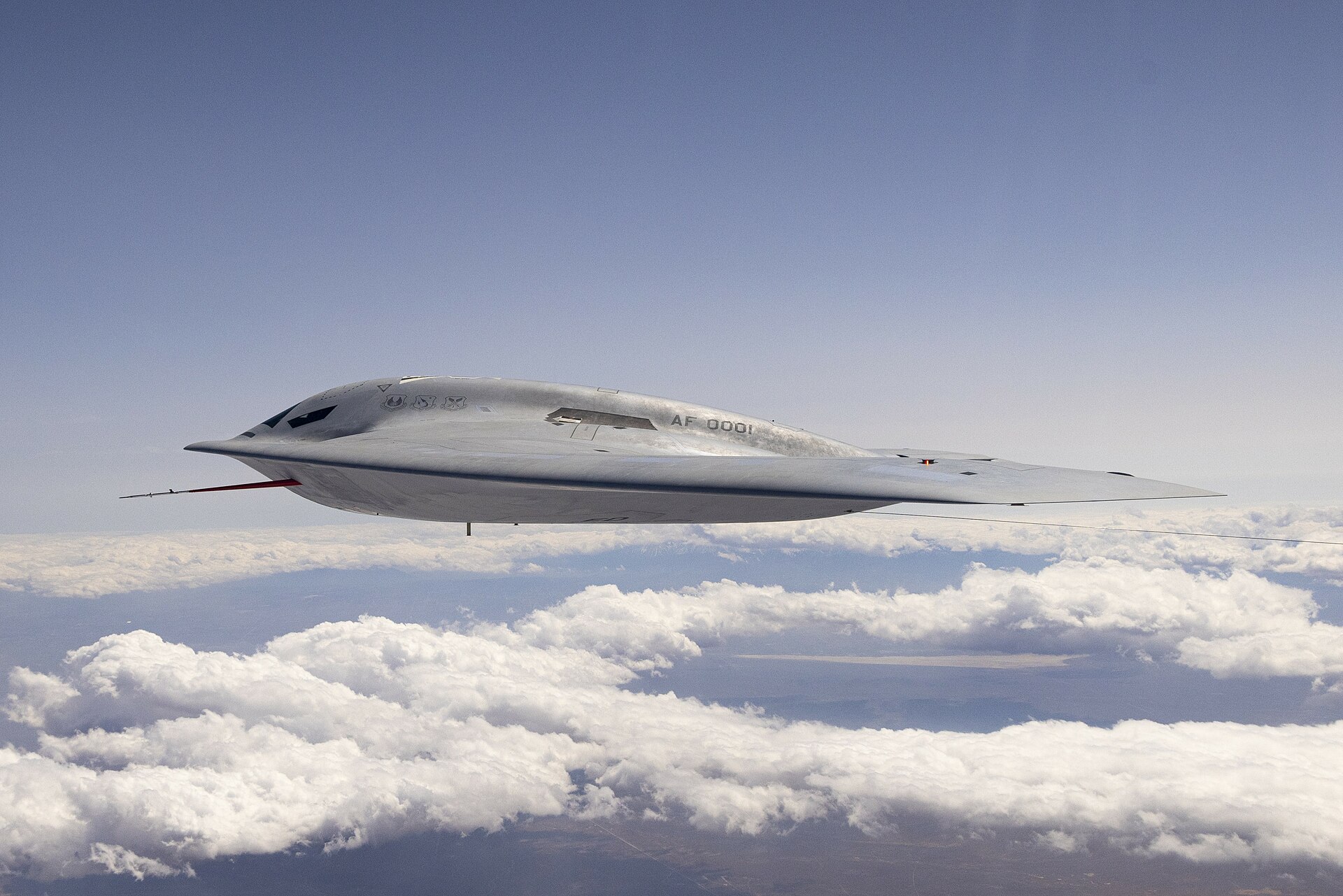
Standards Knowledge
Support for established flight test and telemetry recording formats, including IRIG 106 workflows.
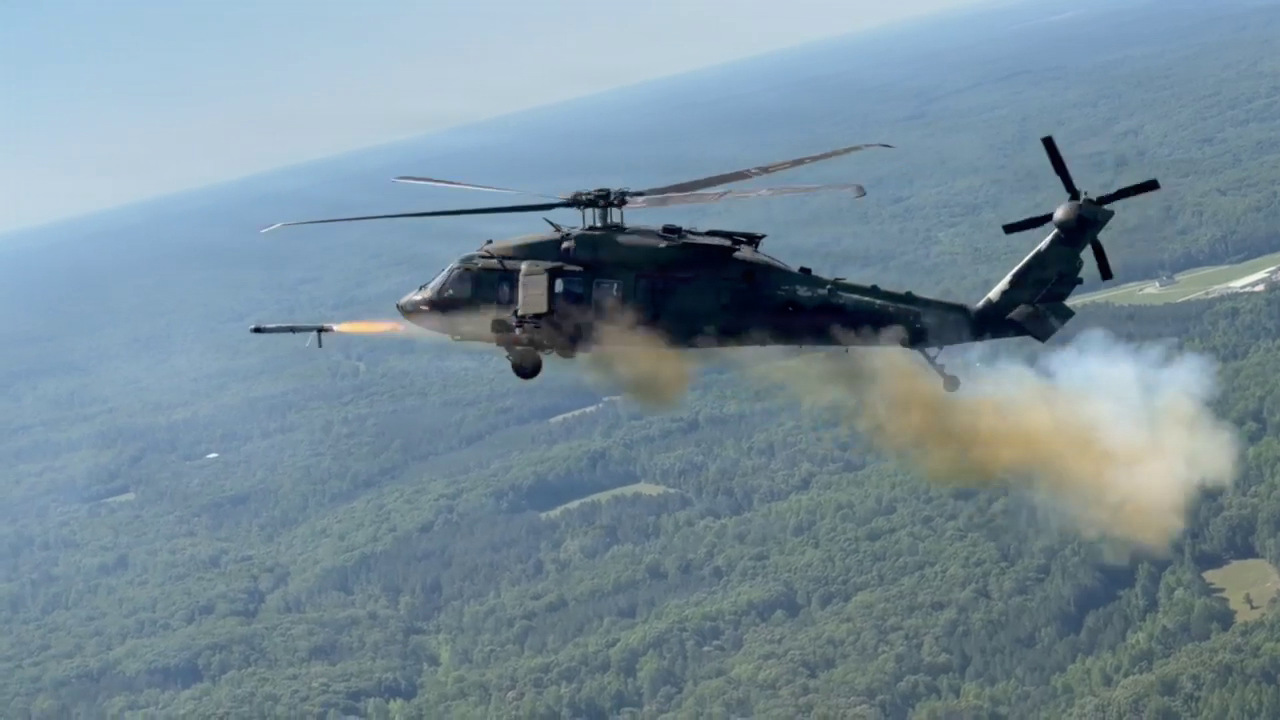
Program-Fit Configuration
Recorder options built around the aircraft, channel count, interfaces, storage, and workflow requirements of the program.

Path to Modernization
Open architecture and ACCE support help teams modernize without walking away from the systems they already use.
One Family, Five Levels
FLIGHT TEST sits within the broader Ampex recorder family, giving programs a way to match recording capability to mission need without overbuying. BASE covers essential mission recording. PLUS adds storage and connectivity. MAX increases performance and capacity for higher data rates. FLIGHT TEST is built for aerospace test and instrumentation, while RACK MOUNT brings enterprise-level recording, storage, and processing to the ground.
Paired with Ampex DOWNLOAD STATIONS and ACCE, the recorder family supports the full workflow from aircraft to ground, including faster offload, data management, and post-mission review.
Need a flight test recording solution built around your instrumentation, interfaces, and workflow? Talk to the Ampex team about the right fit for your program.